Sleep apnea can affect energy, focus, mood, and long-term health. For many Canadians, CPAP is the first treatment discussed, but not everyone tolerates a mask or machine comfortably. That is why oral appliance therapy for sleep apnea Canada 2026 is becoming an important option for selected patients who want a quiet, portable solution.
This oral appliance therapy sleep apnea Canada 2026 guide explains how oral appliances work, what a mandibular advancement device sleep apnea Canada patients may receive, and when a dental device sleep apnea alternative CPAP may be appropriate.
What Is Oral Appliance Therapy?
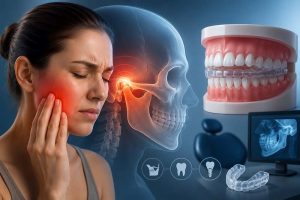
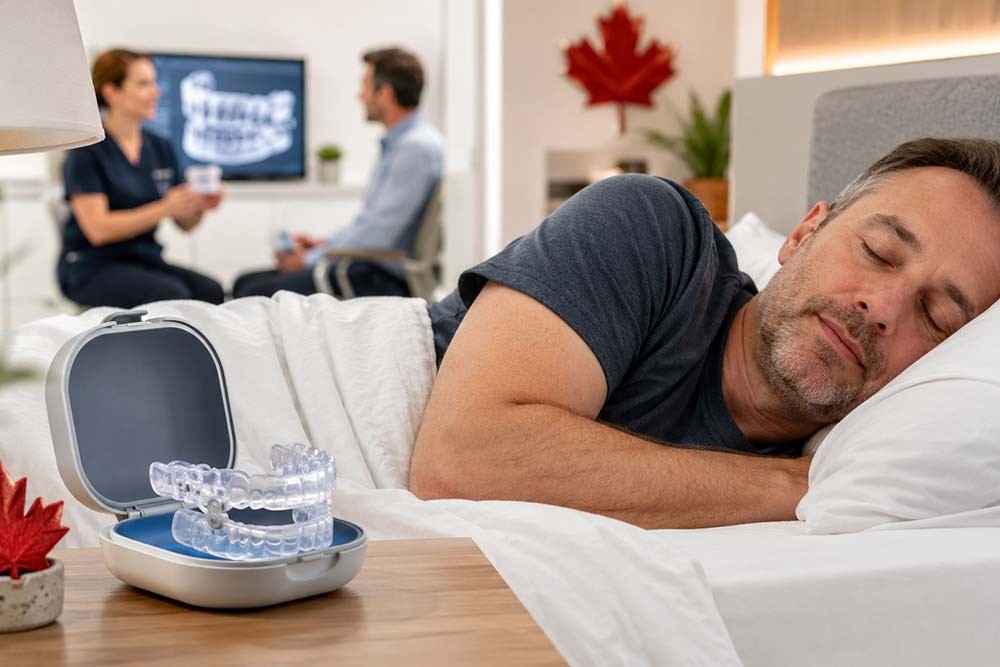
Oral appliance therapy uses a custom-made device worn during sleep. It looks like a sports mouthguard or retainer, but it is designed for airway support. The most common type is a mandibular advancement device, which sleep apnea Canada dentists provide after assessment and scans.
The device gently positions the lower jaw forward. This can help keep the tongue and soft tissues from narrowing the upper airway. A sleep apnea mouthguard Canada 2026 should not be confused with a store-bought snoring guard. Medical sleep apnea treatment requires diagnosis, physician coordination, and follow-up.
How It Works
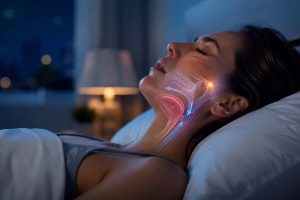
Obstructive sleep apnea happens when breathing is repeatedly reduced or blocked during sleep. The dentist gradually adjusts the device until comfort and breathing improvement are balanced.
For people who cannot tolerate CPAP, a dental device sleep apnea alternative to CPAP, may improve consistency because it is small, quiet, and travel-friendly. CPAP is commonly preferred for many moderate to severe cases, while oral appliances are often considered for mild to moderate obstructive sleep apnea or CPAP-intolerant adults.
Who Is a Good Candidate?
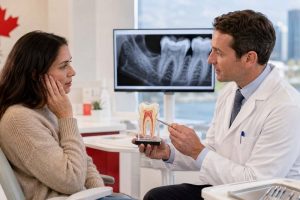
Good candidates usually have a confirmed diagnosis and jaw movement that allows the appliance to fit comfortably. A mandibular advancement device sleep apnea Canada provider will also consider bite, gum health, TMJ symptoms, missing teeth, crowns, implants, and patient goals.
People with mild or moderate sleep apnea, loud snoring, travel needs, or CPAP discomfort may be considered. Severe cases need medical oversight. Oral appliance therapy for sleep apnea in Canada 2026 should always be personalized.
What to Expect During Treatment
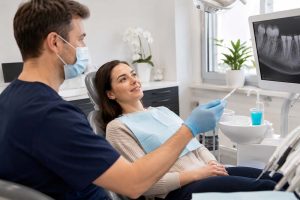
The process often starts with a sleep study or medical diagnosis. Then a dentist trained in dental sleep medicine evaluates the mouth, jaw, teeth, and airway-related risk factors. If suitable, the dentist takes scans or impressions and orders a custom device.
Once fitted, the appliance is adjusted over time. Some patients adapt quickly, while others need several weeks. Side effects may include jaw soreness, tooth pressure, dry mouth, or bite changes. Follow-up visits help manage comfort and track results. A sleep apnea mouthguard Canada 2026 should be monitored, not simply purchased and forgotten.
Insurance and Costs in Canada
Coverage depends on the insurance plan, province, employer benefits, and whether the device is billed under dental or medical benefits. Some plans may require a sleep study, diagnosis, prescription, pre-authorization, or dental documentation.
Before starting, ask your clinic for an estimate and submit it to your insurer. A dental device sleep apnea alternative, CPAP, may be partly covered, excluded, or handled differently from standard dental work. Always confirm directly with your insurance provider.
Benefits and Limitations
Oral appliances are portable, quiet, non-electric, and easier for some people to use nightly. Use it nightly; attend reviews so results stay comfortable, safe, and measurable. They may reduce snoring, improve sleep quality, and support daytime alertness in the right patient.
The limitation is that results vary. A mandibular advancement device for sleep apnea in Canada patient must fit properly and be worn consistently. It may not reduce sleep apnea as strongly as CPAP for some patients, so follow-up testing is important. Oral appliance therapy for sleep apnea, Canada 2026, works best when the physician, dentist, and patient communicate clearly.
Final Thoughts
For selected Canadians, oral appliance therapy for sleep apnea in Canada 2026 can be a practical treatment path. A professionally fitted sleep apnea mouthguard Canada 2026 is different from a generic snoring product and should be part of a medical-dental plan. If CPAP feels difficult, ask whether a dental device sleep apnea alternative to CPAP, is appropriate for your diagnosis.
FAQ’s
Q1. What is oral appliance therapy for sleep apnea?
A: It is a treatment using a custom mouth device that supports the jaw and airway during sleep.
Q2. Is an oral appliance covered by dental insurance in Canada?
A: Sometimes. Coverage varies by plan, diagnosis, documentation, and insurer rules. Request a pre-authorization before treatment.
Q3. How long does it take to get used to a sleep apnea dental device?
A: Many people adjust within a few weeks, but comfort varies. Follow-up adjustments can help.
Q4. Who qualifies for oral appliance therapy for sleep apnea in Canada?
A: Patients with diagnosed obstructive sleep apnea, suitable oral health, and dentist or physician approval may qualify.