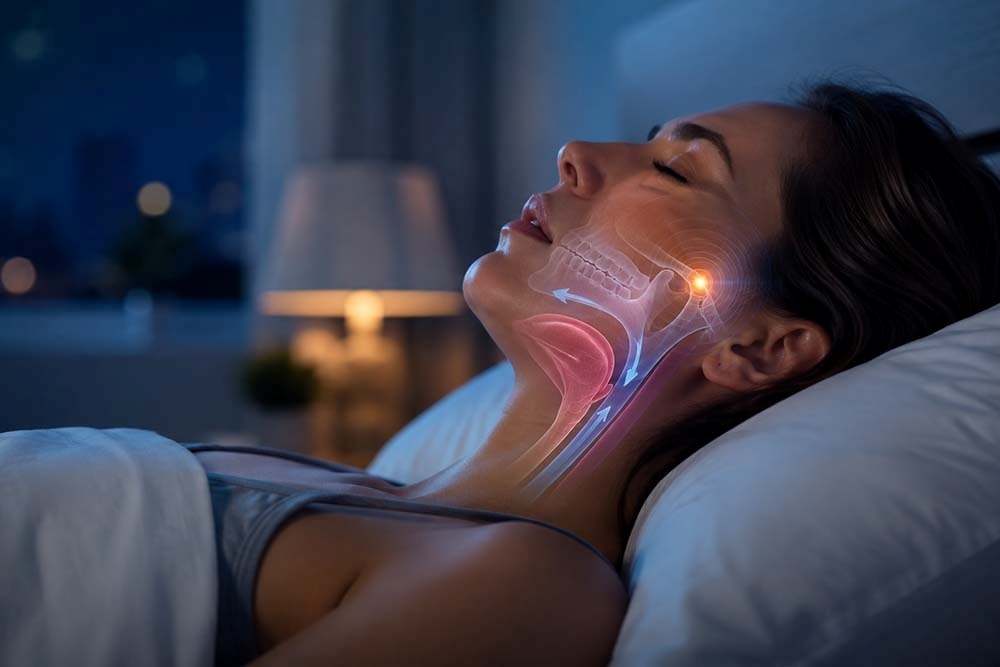
A good night’s sleep is essential for overall health, yet many people wake up feeling exhausted despite spending enough time in bed. While stress, poor sleep habits, and medical conditions often receive the blame, jaw disorders may also play an important role. Temporomandibular joint (TMJ) disorders can contribute to jaw pain, headaches, muscle tension, and disrupted sleep. In some cases, TMJ problems may occur alongside obstructive sleep apnea, creating a cycle of poor sleep and chronic discomfort. Understanding the TMJ sleep apnea connection in 2026 can help patients recognize symptoms early and seek appropriate treatment. This guide explains how TMJ disorders and sleep apnea may be related, available dental treatments, and when to consult a dental professional for evaluation.
Understanding TMJ Disorders
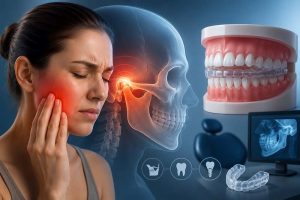
The temporomandibular joints connect the lower jaw to the skull and allow movements such as chewing, speaking, and yawning. When these joints or the surrounding muscles become irritated or dysfunctional, patients may experience jaw pain, clicking sounds, headaches, facial discomfort, ear pain, limited jaw movement, and muscle tension.
Research continues to explore the TMJ sleep apnea connection in 2026, as many individuals with sleep-disordered breathing also report symptoms affecting the jaw muscles and joints. Although one condition does not always directly cause the other, they may coexist and influence each other in some patients.
Understanding the TMJ sleep apnea connection 2026 helps patients appreciate why a comprehensive dental and sleep evaluation may be recommended when persistent symptoms occur.
Does TMJ Cause Sleep Problems?
Many patients wonder, does TMJ cause sleep problems 2026 TMJ disorders may contribute to disrupted sleep because persistent jaw pain, muscle tension, nighttime teeth grinding, and difficulty finding a comfortable sleeping position can interfere with restful sleep.
In addition, poor sleep quality may increase muscle sensitivity and pain perception, creating a cycle in which discomfort and sleep disturbances reinforce one another. Some individuals with obstructive sleep apnea may also experience jaw discomfort related to clenching or airway-related muscle activity during sleep.
Understanding TMJ causes sleep problems 2026 involves recognizing that several factors may contribute simultaneously. Proper diagnosis is important because symptoms may result from TMJ disorders, sleep apnea, bruxism, or a combination of these conditions.
Discussing whether TMJ causes sleep problems 2026 with a qualified dentist or sleep specialist can help identify the underlying cause and guide appropriate treatment.
Jaw Pain and Sleep Disruption
Persistent jaw pain, sleep disruption, and dental 2026 symptoms often extend beyond simple discomfort. Individuals may wake with facial soreness, headaches, neck stiffness, jaw fatigue, or difficulty opening their mouths comfortably after sleeping.
Dental professionals evaluating jaw pain, sleep disruption, and dental 2026 consider jaw function, bite alignment, muscle tenderness, signs of teeth grinding, and possible sleep-related breathing disorders before recommending treatment.
Addressing jaw pain, sleep disruption, and dental issues early in 2026 may improve both comfort and sleep quality while reducing the risk of ongoing muscle strain and joint irritation.
Dental Treatment for TMJ and Sleep Apnea
Modern TMJ sleep apnea dental treatment in Canada may involve collaboration between dentists, physicians, and sleep specialists, depending on the patient’s diagnosis. Treatment recommendations vary according to the underlying condition and its severity.
For TMJ disorders, conservative treatment may include custom oral appliances, bite splints, jaw exercises, lifestyle modifications, stress management, and physical therapy. For eligible patients with mild to moderate obstructive sleep apnea, a custom oral appliance designed by a qualified dentist may help keep the airway open during sleep.
Some patients benefit from TMJ sleep apnea dental treatment in Canada because specially designed oral appliances may address both nighttime jaw positioning and certain sleep-related breathing issues when clinically appropriate. However, treatment plans should always follow a comprehensive assessment and individualized diagnosis.
Choosing experienced providers offering TMJ sleep apnea dental treatment in Canada helps ensure patients receive coordinated care tailored to both their jaw health and sleep needs.
When to Seek Professional Evaluation
If you experience persistent jaw pain, loud snoring, frequent headaches, daytime fatigue, teeth grinding, interrupted sleep, or difficulty opening your mouth comfortably, schedule an evaluation with a qualified dentist or healthcare professional. Early assessment can identify contributing factors and help determine whether further sleep testing or specialized treatment is appropriate.
Managing TMJ disorders and sleep-related breathing conditions together may improve both oral health and overall quality of life.
Frequently Asked Questions
Q1. Can TMJ disorder cause sleep apnea?
A: TMJ disorder does not necessarily cause obstructive sleep apnea directly. However, the two conditions may occur together, and some individuals experience overlapping symptoms that require comprehensive evaluation by dental and medical professionals.
Q2. What dental treatments address both TMJ and sleep problems?
A: Depending on the diagnosis, treatment may include custom oral appliances, bite splints, jaw exercises, behavioural recommendations, and, for appropriate candidates, oral appliance therapy for obstructive sleep apnea prescribed by a qualified dentist.
Q3. How do I know if my jaw pain is affecting my sleep?
A: Common signs include waking with jaw soreness, morning headaches, facial muscle fatigue, teeth grinding, poor sleep quality, frequent nighttime awakenings, or persistent daytime tiredness despite adequate sleep.
Q4. Can a dentist create a device that treats TMJ and sleep apnea together?
A: In some cases, yes. For carefully selected patients, a dentist trained in dental sleep medicine may recommend a custom oral appliance that helps manage mild to moderate obstructive sleep apnea while also supporting jaw comfort. The suitability of such a device depends on a comprehensive clinical evaluation and, when appropriate, a sleep study.