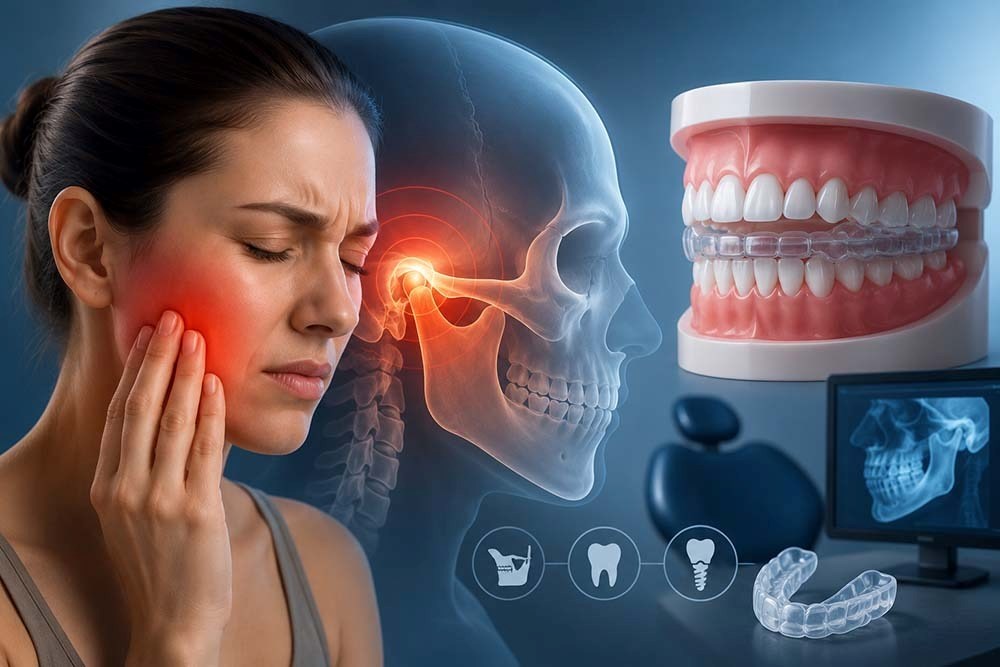
Jaw pain can make daily activities uncomfortable. Many people casually call the problem “TMJ,” although TMJ technically refers to the temporomandibular joint. TMJ Treatment focuses on diagnosing and managing temporomandibular disorders (TMDs), which include multiple conditions affecting the jaw joints, chewing muscles, and surrounding tissues.
Anyone researching TMJ treatment 2026 dental options should understand that there is no universal cure. Treatment depends on symptoms and diagnosis.
What Causes TMJ Disorder?
People asking what TMJ is and how it is treated in 2026 often assume a misaligned bite is always responsible. Evidence does not support bad bites or braces as a general cause of TMD.
Jaw or joint injuries can cause some disorders. However, the exact cause is unclear in many patients. Several biological and stress-related factors may contribute. Clenching and habits such as frequent gum chewing can also aggravate jaw discomfort.
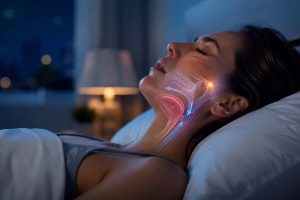
Symptoms may include jaw pain, facial or neck pain, stiffness, limited movement, locking, and painful clicking or grinding. Clicking without pain is common and usually does not require treatment.
Can a Dentist Diagnose and Treat TMJ Problems?
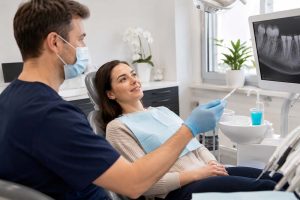
Yes. Dental treatment for TMJ disorder in 2026 may begin with a dentist evaluating symptoms and medical history. The dentist can examine movement and tenderness.
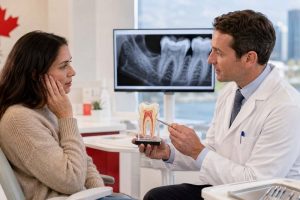
Imaging such as X-rays, MRI, or CT may sometimes be recommended. Other causes of facial pain may need exclusion.
A dentist may provide care or referrals. TMJ jaw pain relief Canada 2026 may involve collaboration with physicians, physical therapists, or clinicians experienced in orofacial pain, depending on the case.
Conservative TMJ Treatments Often Come First
Current guidance supports starting with simple, reversible approaches. TMJ treatment 2026 dental options may include temporary soft foods, heat or cold, gentle jaw exercises, and reducing clenching, nail biting, or gum chewing.
Anti-inflammatory medication may suit some patients when used appropriately.
Physical therapy, including manual therapy, can help some patients improve function and reduce pain. Behavioural approaches, relaxation strategies, biofeedback, or cognitive behavioural therapy may also support patients whose symptoms involve persistent muscle tension or chronic pain.
What About Nightguards and Dental Appliances?
Dental treatment for TMJ disorder 2026 sometimes includes an intraoral appliance, called a splint or nightguard. These devices fit over teeth.
However, evidence that appliances improve TMD pain is limited. Patients should be cautious about devices designed to permanently change the bite. If an appliance increases pain, professional reassessment is important.
When comparing TMJ jaw pain relief Canada 2026 options, ask what the appliance is intended to accomplish, how long it should be worn, and how progress will be monitored.
Advanced Treatments Require Careful Evaluation
People searching for what TMJ is and how it is treated in 2026 may encounter advertisements for injections, bite changes, or surgery. Invasive treatment is not automatically the first choice.
Evidence for botulinum toxin injections for TMD remains inconclusive. Procedures such as arthrocentesis or arthroscopy can treat specific joint disorders. Dentists generally reserve open surgery for severe cases with significant joint destruction or persistent symptoms that do not improve with simpler treatments.
TMJ treatment 2026 dental options should match the diagnosed condition. Permanent changes to teeth, bite, or jaw joints deserve caution and a second opinion.
How Long Does TMJ Relief Take?
Recovery time varies. Some TMD symptoms improve on their own or with conservative management. Other cases become chronic and require longer-term care.
TMJ jaw pain relief in Canada 2026 cannot be promised within a fixed number of days. The cause, symptom duration, treatment adherence, and presence of other pain conditions may influence progress.
With dental treatment for TMJ disorder 2026, patients should track pain, jaw movement, eating difficulties, and triggers. Follow-up allows the treatment plan to be adjusted if symptoms continue.
FAQ’s
Q1. What is TMJ disorder, and what causes it?
A: TMD refers to a group of conditions causing pain or dysfunction in the jaw joint and chewing muscles. Injury can cause some cases, but the exact cause is often unclear. Biological, psychological, and environmental factors may contribute.
Q2. Can a dentist treat TMJ disorder?
A: Yes. A dentist can assess symptoms, examine jaw function, and recommend conservative treatment or referrals. Diagnosis is important because jaw and facial pain may come from conditions other than TMD.
Q3. What are the most effective treatments for TMJ in 2026?
A: Treatment depends on the specific disorder. Conservative options such as soft foods, heat or cold, exercises, habit reduction, physical therapy, and appropriate pain management often provide the first line of care. Dentists reserve more invasive procedures for selected cases.
Q4. How long does TMJ treatment take to relieve pain?
A: There is no standard timeline. Some patients improve relatively quickly, while persistent or complex disorders may require longer management. Regular follow-up helps clinicians evaluate progress and adjust care when necessary.