Sleep apnea is a common but often underdiagnosed condition that affects breathing during sleep, leading to poor rest, daytime fatigue, and long-term health risks. In 2026, treatment approaches have become more personalized, and dental professionals are playing a growing role in managing mild to moderate cases. Understanding sleep apnea treatment dentist 2026 options helps patients explore alternatives beyond traditional sleep clinics and CPAP machines.
Can a Dentist Treat Sleep Apnea?
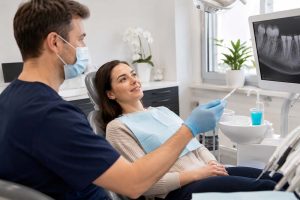
Yes, dentists can play an important role in treating obstructive sleep apnea, especially mild to moderate cases.
While dentists do not typically diagnose sleep apnea independently, they often collaborate with physicians and sleep specialists to provide treatment after a formal diagnosis has been made.
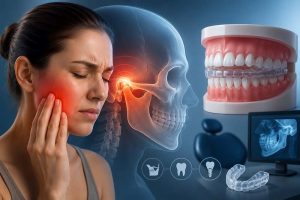
A dentist trained in dental sleep apnea treatment 2026 protocols can help manage airway obstruction using custom oral devices designed to improve breathing during sleep.
How Dental Sleep Apnea Treatment Works
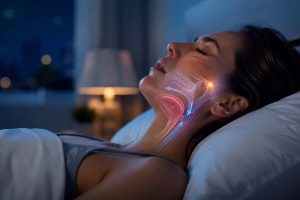
Obstructive sleep apnea occurs when the airway becomes partially or fully blocked during sleep. Dental treatment focuses on physically repositioning the jaw and tongue to keep the airway open.
Mechanism of action:
- The lower jaw is gently moved forward
- The tongue is repositioned away from the airway
- Airflow obstruction is reduced during sleep
- Breathing becomes more stable and consistent
This approach is central to oral appliance sleep apnea treatment options commonly recommended for patients who cannot tolerate CPAP therapy.
What Dental Appliances Are Used to Treat Sleep Apnea?
Dentists use custom-made oral appliances designed to improve airway stability.
Common types include:
1. Mandibular Advancement Devices (MADs)
- Most widely used dental sleep apnea device
- Moves the lower jaw forward
- Helps keep the airway open during sleep
2. Tongue Retaining Devices (TRDs)
- Holds the tongue in a forward position
- Prevents airway blockage
- Often used in specific anatomical cases
These devices are individually fitted and adjusted over time for comfort and effectiveness.
Is a Dental Sleep Apnea Device as Effective as a CPAP Machine?
CPAP (Continuous Positive Airway Pressure) therapy is considered the gold standard for moderate to severe sleep apnea because it delivers constant air pressure to keep airways open.
CPAP advantages:
- Highly effective for severe cases
- Consistent airflow support
- Proven long-term outcomes
Dental appliance advantages:
- More comfortable and portable
- Easier to travel with
- Better patient compliance in many cases
- Quiet and non-invasive
For mild to moderate sleep apnea, oral appliance sleep apnea Canada treatments can be highly effective. However, CPAP is generally more effective for severe cases.
In 2026, many patients use a combination approach depending on severity and tolerance.
How Does a Dentist Diagnose Sleep Apnea?
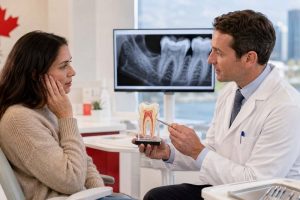
Dentists do not usually provide a full medical diagnosis, but they can screen for signs and refer patients for testing.
Common screening methods include:
- Reviewing symptoms such as snoring, fatigue, and gasping during sleep
- Examining airway structure and jaw positioning
- Assessing tooth wear patterns caused by grinding (bruxism)
- Using standardized sleep apnea questionnaires
- Referring patients for a sleep study (polysomnography or home sleep test)
After diagnosis, the dentist may proceed with fitting a dental device if appropriate.
Dentist vs Sleep Clinic for Sleep Apnea (2026 Perspective)
Dentists and Sleep Clinics for Sleep Apnea both professionals play important roles, but in different stages of care.
Sleep clinics:
- Diagnose sleep apnea through medical testing
- Classify severity (mild, moderate, severe)
- Prescribe CPAP or other medical treatments
Dentists:
- Provide custom oral appliance therapy
- Adjust devices for comfort and effectiveness
- Monitor long-term dental and jaw health
This collaborative model is increasingly common in sleep apnea treatment dentist 2026 care pathways.
Who Benefits Most From Dental Sleep Apnea Treatment?
Dental appliances are most effective for:
- Mild to moderate obstructive sleep apnea
- Patients who cannot tolerate CPAP machines
- Frequent travelers needing portable solutions
- Individuals with jaw-related airway restrictions
Patients with severe sleep apnea may still require CPAP or combined therapy.
Advantages of Dental Sleep Apnea Treatment
- Non-invasive alternative to CPAP
- Improved comfort and compliance
- Portable for travel
- Custom-fitted for individual anatomy
- Quiet operation
These benefits make dental sleep apnea treatment 2026 increasingly popular among adults seeking practical solutions.
Limitations to Be Aware Of
- May not be sufficient for severe sleep apnea
- Can cause temporary jaw discomfort or bite changes
- Requires ongoing dental follow-up
- Must be custom-fitted for effectiveness
Proper monitoring is essential to ensure long-term success.
Conclusion
Sleep apnea treatment is evolving rapidly, and dentists are becoming key partners in managing mild to moderate cases. While CPAP remains the gold standard for severe conditions, oral appliance sleep apnea solutions offer a comfortable and effective alternative for many patients. Understanding the differences between treatments helps individuals choose the right path for better sleep, improved health, and long-term well-being in 2026.
FAQ’s
Q1. Can a dentist treat sleep apnea?
A: Yes, dentists can treat obstructive sleep apnea using custom oral appliances, especially for mild to moderate cases, but diagnosis is typically made through a sleep specialist.
Q2. What dental appliances are used to treat sleep apnea?
A: The most common devices are mandibular advancement devices and tongue retaining devices, both designed to keep the airway open during sleep.
Q3. Is a dental sleep apnea device as effective as a CPAP machine?
A: CPAP is generally more effective for severe sleep apnea, but dental devices can be highly effective for mild to moderate cases and are often better tolerated.
Q4. How does a dentist diagnose sleep apnea?
A: Dentists screen for symptoms and risk factors and refer patients for a sleep study. They do not usually perform formal medical diagnoses themselves.