Cosmetic dentistry continues to grow across Canada as more people look for ways to improve their smile, confidence, and overall appearance. Modern dental technology now offers several solutions for chipped teeth, discoloration, gaps, uneven shapes, and damaged enamel. However, many patients researching Porcelain veneers vs bonding vs crowns Canada 2026 options feel overwhelmed when trying to understand the differences between these treatments.
Porcelain veneers, composite bonding, and dental crowns all improve smile aesthetics, but they are designed for different dental situations. Choosing the right option depends on tooth condition, cosmetic goals, durability expectations, and budget considerations. Understanding how each treatment works helps patients make informed decisions before starting cosmetic dental procedures.
What Are Porcelain Veneers?
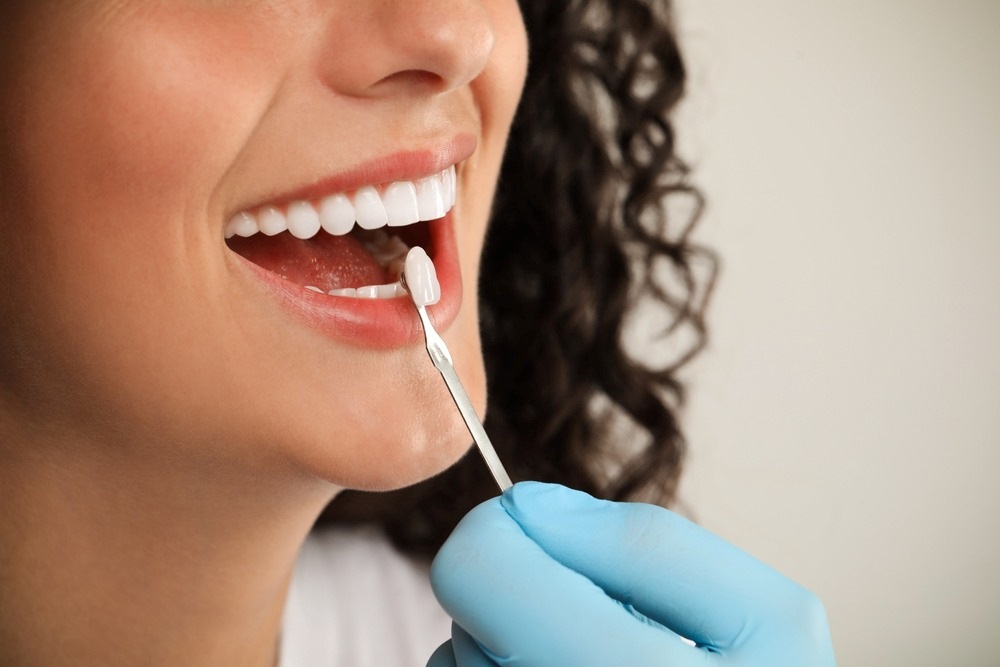
Porcelain veneers are thin, custom-made shells placed over the front surface of teeth to improve appearance. They are commonly used to correct discoloration, uneven shapes, small gaps, worn enamel, and minor alignment concerns. Many patients exploring dental veneer alternatives in Canada 2026 choose veneers because they create highly natural and long-lasting cosmetic results.
Porcelain reflects light similarly to natural enamel, which is why veneers are often considered one of the most aesthetic cosmetic treatments available. Dentists carefully shape the veneers to match surrounding teeth while improving symmetry and smile appearance.
People researching composite bonding vs porcelain veneers Canada differences should understand that veneers usually require removing a small amount of natural enamel before placement. Because of this preparation process, veneers are generally considered a more permanent cosmetic solution.
What Is Dental Bonding?
Dental bonding uses tooth colored composite resin material to reshape or repair teeth directly. Dentists apply the material, sculpt it carefully, and harden it using a curing light. Bonding is often used for chipped teeth, small gaps, minor reshaping, or surface imperfections.
One major advantage of veneers vs bonding vs crowns Canada 2026 comparisons is affordability. Bonding usually costs less than porcelain veneers because it involves fewer laboratory procedures and less preparation work. Many patients searching for dental veneer alternatives in Canada 2026 choose bonding when they want cosmetic improvements with lower upfront costs.
However, bonding material may stain more easily over time and typically does not last as long as porcelain veneers. Bonding also may require periodic repairs or touch-ups, depending on wear and lifestyle habits.
What Are Dental Crowns?
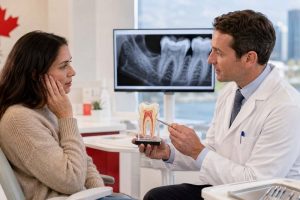
Dental crowns cover the entire visible portion of a tooth rather than only the front surface. Crowns are commonly recommended when teeth are significantly damaged, weakened, cracked, or heavily restored. Unlike veneers, crowns provide both cosmetic improvement and structural protection.
Patients comparing crown vs veneer Canada comparison options should understand that crowns usually require more tooth preparation because the entire tooth must be reshaped before placement. Crowns can be made from porcelain, ceramic, zirconia, or metal-based materials, depending on the situation.
Crowns are often chosen when teeth require stronger reinforcement in addition to aesthetic improvement. They are especially common after root canal treatment or major structural damage.
Veneers vs Crowns: Key Differences
One of the biggest differences in crown vs veneer Canada comparison discussions involves tooth coverage. Veneers cover only the front surface of teeth, while crowns fully surround and protect the entire tooth structure.
Veneers are typically ideal for cosmetic enhancements on healthy teeth, while crowns are recommended for teeth needing strength restoration. Patients researching veneers vs bonding vs crowns in Canada 2026 should also understand that crowns usually involve more aggressive tooth preparation than veneers.
Both treatments can produce beautiful cosmetic results when designed properly, but the best option depends on the underlying dental condition.
Which Option Looks Most Natural?
Many people exploring composite bonding vs porcelain veneers in Canada prioritize aesthetics and natural appearance. Porcelain veneers are often considered the most natural-looking option because porcelain closely mimics natural enamel translucency and light reflection.
High-quality crowns can also look extremely natural, especially modern all-ceramic and zirconia designs. Bonding can create attractive cosmetic improvements as well, although it may not maintain the same long-term polish and stain resistance as porcelain.
Smile design, dental skill, material quality, and color matching all play important roles in the final appearance, regardless of treatment type.
Durability and Longevity
Patients researching dental veneer alternatives in Canada 2026 frequently ask about treatment lifespan. Porcelain veneers generally last many years with proper care, while crowns may last even longer, depending on the material and oral habits.
Bonding usually has a shorter lifespan because composite resin can chip, stain, or wear down more easily. However, bonding repairs are often simpler and less expensive compared to replacing veneers or crowns.
Regular dental visits, proper oral hygiene, and avoiding habits like teeth grinding help extend the life of all cosmetic dental restorations.
Choosing the Right Cosmetic Treatment
Selecting between veneers vs bonding vs crowns Canada 2026 solutions depends on several factors, including:
• Tooth condition
• Cosmetic goals
• Budget
• Durability expectations
• Bite alignment
• Long-term maintenance
Patients with healthy teeth seeking aesthetic improvements may benefit most from veneers or bonding. Individuals with damaged or weakened teeth may require crowns for additional structural support.
A professional dental consultation is the best way to determine which dental veneer alternatives Canada 2026 treatment fits individual needs and smile goals.
FAQ’s
Q1. What is the difference between a veneer and a dental crown?
A: A veneer covers only the front surface of a tooth, while a crown completely covers and protects the entire tooth structure.
Q2. Is dental bonding cheaper than porcelain veneers?
A: Yes. Dental bonding is generally more affordable because it uses composite resin and requires less laboratory work.
Q3. How long do dental crowns last vs veneers in Canada?
A: Both can last many years with proper care, although crowns often provide stronger long-term durability for damaged teeth.
Q4. Which cosmetic dental treatment gives the most natural look?
A: Porcelain veneers are often considered the most natural-looking because porcelain closely resembles natural tooth enamel.