
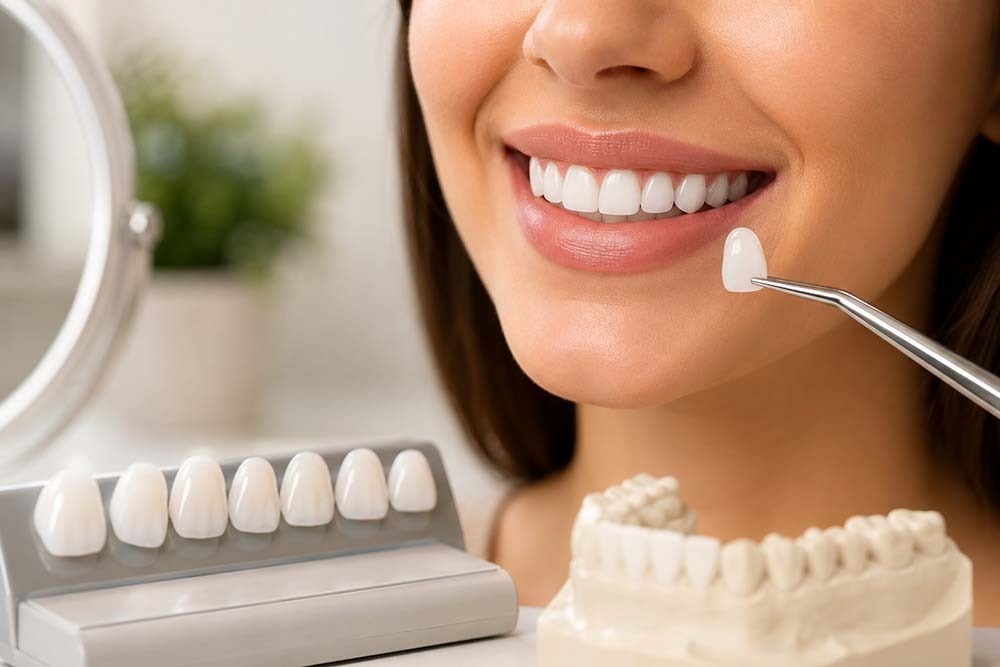
A bright, symmetrical smile remains one of the most sought-after cosmetic dental goals. As dental technology continues to advance, porcelain veneers remain among the most popular treatments for improving the appearance of teeth. However, before investing in a smile makeover, it is important to understand the benefits, limitations, costs, and long-term commitment involved. This porcelain veneers in 2026 honest guide explores what veneers are, how long they last, and whether they are the right choice for your specific needs.
What Are Porcelain Veneers?
Porcelain veneers are thin, custom-made shells that are bonded to the front surfaces of teeth to improve their appearance. They are commonly used to address cosmetic concerns such as discolouration, chipped teeth, uneven shapes, minor gaps, and certain alignment issues.
Many patients researching porcelain veneers in 2026 worth it are attracted by their ability to create dramatic aesthetic improvements while maintaining a natural appearance. Modern porcelain materials are designed to mimic the translucency and light-reflecting properties of natural tooth enamel, making veneers highly realistic when properly crafted.
Why People Choose Porcelain Veneers
One reason porcelain veneers continue to grow in popularity is their versatility. They can address multiple cosmetic concerns simultaneously without requiring extensive orthodontic treatment or multiple restorative procedures.
In many porcelain veneer pros and cons 2026 discussions, advantages frequently include:
- Natural-looking appearance
- Stain resistance
- Long-lasting results
- Custom shape and colour matching
- Ability to improve multiple cosmetic issues at once
For individuals seeking a complete smile transformation, veneers can often deliver results that are difficult to achieve through whitening or bonding alone.
Understanding the Cost of Porcelain Veneers
One of the most common questions in any porcelain veneers in 2026 honest guide concerns cost. Veneer pricing varies depending on location, dentist experience, laboratory quality, case complexity, and the number of teeth being treated.
When evaluating porcelain veneers cost and longevity 2026 considerations, Canadian patients can generally expect porcelain veneers to cost approximately $1,000 to $2,500 or more per tooth. Highly customised cosmetic cases performed by experienced cosmetic dentists may exceed this range.
Because veneers are usually considered cosmetic procedures, dental insurance plans often provide limited or no coverage. Patients should discuss all costs and treatment options during their consultation.
How Long Do Porcelain Veneers Last?
Longevity is another major factor when determining whether porcelain veneers in 2026 are worth it. High-quality porcelain veneers can often last between 10 and 20 years or longer with proper care and maintenance.
The lifespan of veneers depends on several factors, including oral hygiene habits, bite forces, teeth grinding, dietary habits, and regular dental care. Patients who maintain routine dental visits and follow professional recommendations often experience longer-lasting results.
When discussing porcelain veneers’ cost and longevity in 2026, it is important to view veneers as a long-term investment rather than a permanent solution. Replacement may eventually be necessary as veneers age and natural wear occurs.
Do Veneers Require Tooth Reduction?
A common concern among patients involves whether veneers require shaving down natural teeth.
The answer depends on the individual case. Traditional porcelain veneers often require a small amount of enamel removal to ensure proper fit, appearance, and comfort. However, advances in dental materials have made minimally invasive and no-preparation veneer options possible for certain patients.
Any reputable porcelain veneers in 2026 honest guide should emphasise that treatment planning varies significantly from person to person. A qualified cosmetic dentist will determine the most appropriate approach based on your smile goals, tooth position, and overall oral health.
Porcelain vs Composite Veneers
Patients comparing cosmetic options frequently ask about porcelain veneer pros and cons 2026 relative to composite veneers.
Porcelain veneers generally offer superior durability, stain resistance, and aesthetics. They often maintain their appearance longer and resist discolouration more effectively than composite materials.
Composite veneers are usually less expensive and can often be completed in a single appointment. However, they may be more susceptible to staining, chipping, and wear over time.
When evaluating porcelain veneers’ cost and longevity, 2026 factors, porcelain typically provides greater long-term durability, while composite veneers may appeal to patients seeking a lower initial investment.
Are Porcelain Veneers Right for You?
The answer to are porcelain veneers worth it 2026 depends on your goals, budget, oral health, and expectations. Veneers can provide exceptional cosmetic improvements for suitable candidates, but they are not ideal for every situation.
Patients with healthy teeth and gums who want to improve colour, shape, spacing, or minor alignment concerns often achieve excellent results. However, significant orthodontic issues, untreated gum disease, or extensive tooth decay may require alternative treatments before veneers can be considered.
A comprehensive consultation remains the best way to determine whether veneers are the right solution for your smile.
FAQs
Q1. How much do porcelain veneers cost in Canada in 2026?
A: Porcelain veneers generally range from approximately $1,000 to $2,500 or more per tooth, depending on location, dentist experience, materials, and case complexity.
Q2. How long do porcelain veneers last?
A: With proper care, high-quality porcelain veneers commonly last between 10 and 20 years and sometimes longer before replacement may be required.
Q3. Do porcelain veneers require shaving down your teeth?
A: Traditional veneers often require a small amount of enamel removal, although minimally invasive and no-preparation options may be available for certain patients.
Q4. What is the difference between porcelain and composite veneers?
A: Porcelain veneers are generally more durable, stain-resistant, and natural-looking, while composite veneers are usually less expensive and can often be completed more quickly but may require more maintenance over time.