
When it comes to tooth replacement options, dental implants and dentures are two of the most common choices. However, more and more people are opting for dental implants over dentures for their numerous benefits. Whether you’re missing a single tooth or several, dental implants offer a more permanent and natural solution compared to traditional dentures. In this article, we’ll explore the advantages of dental implants over dentures, including their longevity, comfort, and overall quality of life improvements.
Dental Implants vs Dentures: What’s the Difference?
Before we dive into the benefits, let’s first understand the key differences between dental implants and dentures. Dentures are removable prosthetic devices that replace missing teeth and typically consist of acrylic resin and sometimes a metal framework. Dentures fit snugly over the gums, but they often shift and cause discomfort, especially when you speak or eat.
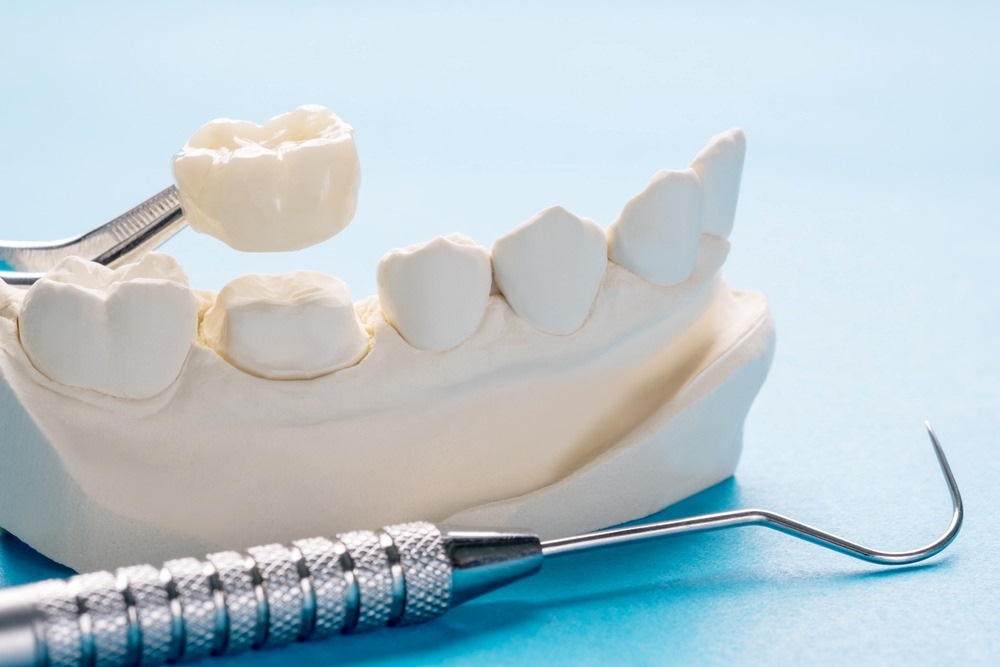
On the other hand, dental implants are permanent tooth replacements that involve surgically inserting a titanium post into the jawbone to serve as an artificial root. A crown is then placed on top of the implant, which looks and functions like a natural tooth. Unlike dentures, dental implants are not removable and are a more stable and durable solution for tooth replacement.
Implant Benefits: Why Choose Dental Implants?
1. Long-Lasting and Permanent Solution
One of the major advantages of dental implants vs dentures is that implants are designed to last a lifetime with proper care. Dental implants fuse with the jawbone, providing a permanent dental solution for missing teeth. In contrast, dentures may need to be replaced or adjusted every 5 to 10 years due to wear and tear. This makes dental implants a better long-term investment, as they don’t require the ongoing maintenance or replacement that dentures do.
2. Enhanced Comfort and Functionality
Dental implants offer a level of comfort that dentures simply cannot match. Since they are securely fixed into the jawbone, dental implants feel like natural teeth and allow you to eat, speak, and smile with confidence. There is no risk of implants shifting or slipping, which can often happen with dentures, especially while talking or eating. This added stability means that you can enjoy your favorite foods and activities without the worry of your teeth moving out of place.
3. Improved Appearance and Confidence
Implants are designed to look and feel like natural teeth, which makes them a much more aesthetically pleasing option than dentures. Dentures can sometimes appear bulky or unnatural, and they may also cause issues with speech or facial sagging. Since dental implants integrate with your jawbone and are customized to match your natural teeth, they provide a more seamless and attractive appearance. This boost in aesthetics often leads to increased confidence in social and professional settings.
4. Preservation of Jawbone Health
When a tooth is lost, the jawbone beneath it can begin to deteriorate due to a lack of stimulation. Dentures do not stimulate the jawbone like natural teeth or implants. This can lead to bone loss over time. However, dental implants serve as artificial roots that stimulate the jawbone, helping to maintain its density and structure. This bone preservation is important for long-term oral health and facial aesthetics.
5. Better Oral Health
Dental implants promote better oral health compared to dentures. Since implants are placed directly into the jawbone, they do not interfere with surrounding teeth. Unlike dentures, which can sometimes lead to gum irritation or require the alteration of adjacent teeth, dental implants help maintain the integrity of your natural teeth and gums. Additionally, since implants are easy to clean and maintain, they support overall oral hygiene and prevent potential complications such as gum disease or tooth decay.
6. No Need for Adhesives or Special Cleaning Products
Dentures often require the use of adhesives to stay in place, and they need to be removed at night for cleaning. This can be inconvenient and uncomfortable for some individuals. In contrast, dental implants require no adhesives and can be cared for just like natural teeth. With regular brushing, flossing, and dental check-ups, implants are easy to maintain. They offer a hassle-free tooth replacement option.
How Long Do Dental Implants Last Compared to Dentures?
When it comes to longevity, dental implants have a significant edge over dentures. Dental implants are designed to last a lifetime with proper care, though the crown may need to be replaced after 15 to 20 years. In contrast, dentures typically last around 5 to 10 years before dentists replace or reline them due to wear and changes in the mouth. While dental implants cost more upfront than dentures, their durability and fewer replacements make them more cost-effective.
FAQ’s
Q1. Are dental implants better than dentures?
A: Yes, dental implants are generally considered a better option than dentures due to their permanence, comfort, natural look, and ability to preserve jawbone health.
Q2. Do dental implants feel like natural teeth?
A: Yes, dental implants feel and function like natural teeth. Dentists securely fix them in the jawbone, providing a stable and comfortable fit that allows you to eat, speak, and smile with confidence.
Q3. How long do dental implants last compared to dentures?
A: Dental implants can last a lifetime with proper care, while dentures typically need to be replaced every 5 to 10 years due to wear and tear.