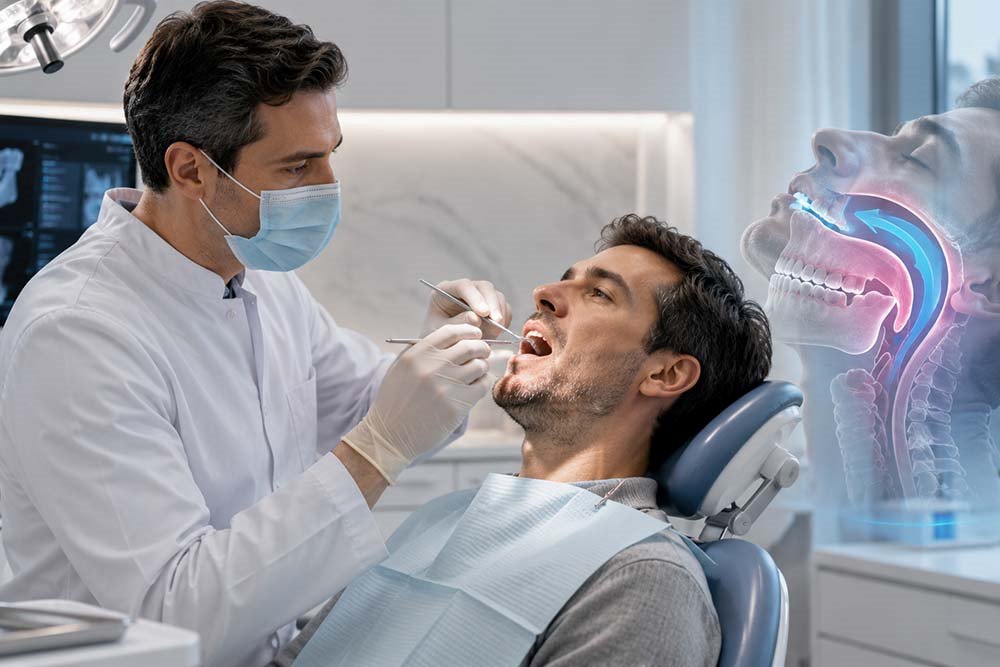
Sleep apnea is a common sleep-related breathing disorder that affects millions of people worldwide, yet many individuals remain undiagnosed. While it is often associated with loud snoring and daytime fatigue, its impact extends far beyond sleep quality. The sleep apnea oral health connection 2026 is becoming increasingly recognized, as dentists are often among the first healthcare professionals to notice early warning signs during routine dental examinations. Identifying these symptoms early can help patients seek timely medical evaluation while protecting both their overall and oral health.
Understanding the Link Between Sleep Apnea and Oral Health
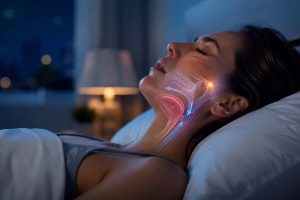
The sleep apnea oral health connection 2026 involves several conditions that develop when breathing repeatedly stops and starts during sleep. Reduced airflow and interrupted sleep can contribute to inflammation, dry mouth, jaw strain, and increased pressure on the teeth.
Many patients with sleep apnea unknowingly experience oral symptoms long before receiving a formal diagnosis. Regular dental examinations provide valuable opportunities to identify these warning signs and recommend further assessment when appropriate.
Oral Signs Dentists Look For
Recognizing the oral signs of sleep apnea 2026 allows dentists to identify patients who may benefit from additional medical evaluation. Common signs include excessive tooth wear, scalloped tongue edges, enlarged tonsils, a narrow airway, inflamed gums, dry mouth, jaw discomfort, and chronic bad breath.
Dentists also evaluate bite patterns, facial structure, and soft tissue health because these factors may indicate an increased risk of obstructive sleep apnea. While dentists do not typically diagnose sleep apnea directly, they play an important role in recognizing the oral signs of sleep apnea 2026 and referring patients for appropriate sleep studies when necessary.
The Connection Between Sleep Apnea and Teeth Grinding
The sleep apnea teeth grinding connection has received increasing attention in recent years. Many individuals with obstructive sleep apnea also experience bruxism, commonly known as teeth grinding or clenching during sleep.
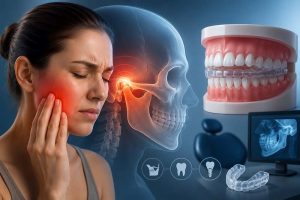
Repeated grinding places excessive pressure on teeth, fillings, crowns, and jaw joints. Over time, the sleep apnea-teeth grinding connection may contribute to worn tooth surfaces, cracked teeth, jaw pain, headaches, and temporomandibular joint discomfort. Addressing the underlying sleep disorder may help reduce nighttime grinding for some patients as part of a comprehensive treatment approach.
How Dry Mouth Affects Oral Health
Sleep apnea often causes mouth breathing, particularly during episodes of interrupted breathing. Reduced saliva production leaves the mouth vulnerable to bacterial growth, increasing the risk of tooth decay, gum disease, enamel erosion, and unpleasant breath.
Saliva plays a vital role in neutralizing acids, protecting tooth enamel, and supporting healthy oral tissues. Persistent dry mouth should never be ignored because it can significantly affect long-term oral health if left untreated.
Maintaining proper hydration, practicing good oral hygiene, and discussing symptoms with your dentist can help reduce complications associated with dry mouth.
Why Dentists Play an Important Role
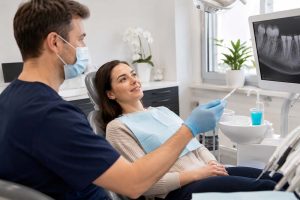
Routine dental visits provide an opportunity to identify changes that patients may not notice themselves. Dentists regularly examine the teeth, gums, tongue, jaw, and surrounding oral tissues, making them well-positioned to detect potential indicators of sleep-disordered breathing.
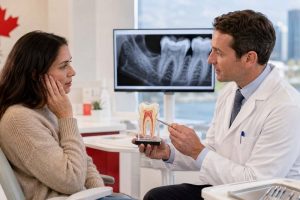
When suspicious signs are present, a dentist detecting sleep apnea Canada referral may lead to further evaluation by a physician or sleep specialist. Early recognition allows patients to receive an appropriate diagnosis and treatment before complications become more serious.
Collaboration between dental professionals and medical providers helps improve both oral health and overall well-being.
FAQ’s
Q1. How does sleep apnea damage your teeth and gums?
A: The sleep apnea oral health connection 2026 includes increased risks of teeth grinding, dry mouth, gum inflammation, tooth wear, enamel damage, cavities, and periodontal disease. Interrupted breathing and mouth breathing may contribute to these oral health problems over time.
Q2. Can a dentist spot signs of sleep apnea during a checkup?
A: Yes. A dentist can detect sleep apnea Canada assessment may identify warning signs such as excessive tooth wear, scalloped tongue, dry mouth, jaw tension, enlarged oral tissues, and other anatomical features associated with obstructive sleep apnea. Dentists can recommend further medical evaluation when appropriate.
Q3. What is bruxism, and how is it connected to sleep apnea?
A: Bruxism is the involuntary grinding or clenching of teeth, often during sleep. The sleep apnea teeth grinding connection suggests that many individuals with obstructive sleep apnea also experience nighttime bruxism, which can lead to worn teeth, cracked restorations, jaw discomfort, and headaches.
Q4. How does dry mouth from sleep apnea affect oral health?
A: Mouth breathing associated with sleep apnea reduces saliva flow, increasing the risk of cavities, gum disease, bad breath, enamel erosion, and oral infections. Recognizing the oral signs of sleep apnea 2026 early allows patients to seek appropriate treatment while protecting their long-term oral health.