Dental implants have become the most advanced and long-lasting solution for missing teeth. In 2026, improvements in materials, imaging technology, and surgical techniques have made them more accessible and predictable than ever. This guide explains tooth implants in Canada 2026, what affects eligibility, and what results patients can expect.
What Are Dental Implants and Why They Are the Gold Standard
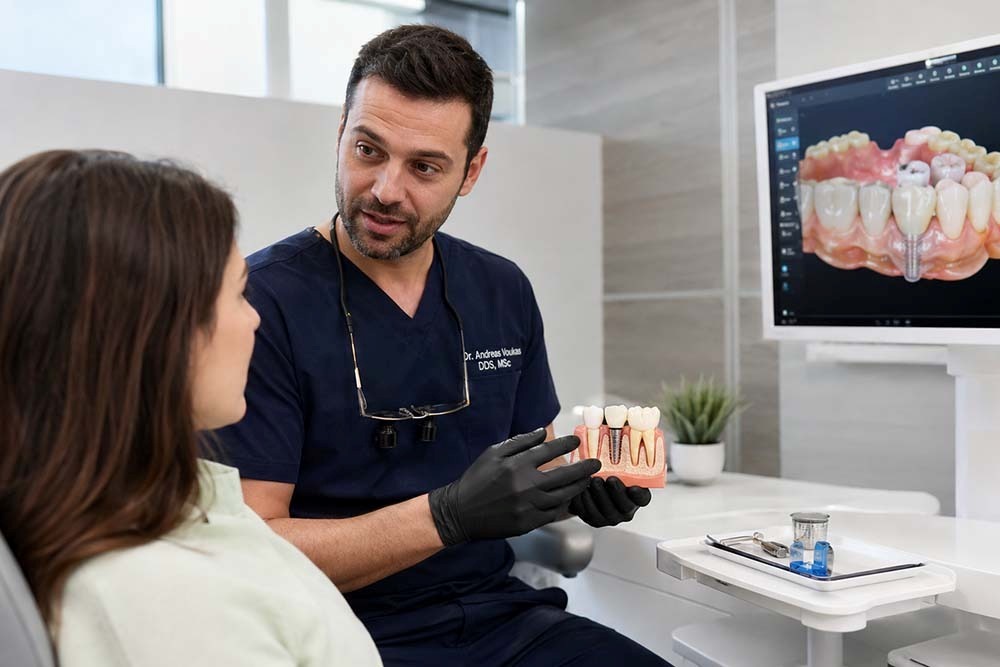
A dental implant is a titanium post surgically placed into the jawbone to replace a missing tooth root. Once healed, a crown is attached to restore function and appearance.
They are considered the gold standard because they:
Look and function like natural teeth
Prevent bone loss in the jaw
Do not affect adjacent teeth like bridges do
Offer long-term durability with proper care
This makes dental implant eligibility in Canada 2026 an important topic for anyone considering permanent tooth replacement.
Who Is a Good Candidate for Tooth Implants in Canada
The best candidates for implants generally share a few key characteristics. A good candidate typically has:
Healthy gums and no active gum disease
Sufficient jawbone density to support the implant
Good overall oral hygiene habits
Stable general health
If you meet these conditions, you are likely a strong candidate for who can get tooth implants in Canada.
Age is also a factor, but not a strict limitation.
How Old Do You Have to Be to Get a Tooth Implant in Canada
There is no upper age limit for dental implants. Many older adults successfully receive implants.
However, younger patients must wait until jawbone growth is fully complete. This usually means implants are not recommended for individuals under 18, and sometimes slightly older, depending on development.
So while age is considered, overall health and bone structure are more important than birth year alone.
Can People With Bone Loss Get Dental Implants
Yes, but additional procedures may be required.
Bone loss is common after missing teeth for a long period. In these cases, dentists may recommend:
Bone grafting to rebuild the jawbone
Sinus lifts for upper jaw implants
Zygomatic implants in complex cases
These advanced techniques have made it possible for many patients previously considered unsuitable to still qualify for dental implants. This is an important part of dental implant eligibility Canada 2026 discussions.
What Health Conditions Prevent Dental Implants
Certain medical conditions can affect healing and implant success. Some of the main concerns include:
Uncontrolled diabetes
Severe gum disease
Heavy smoking or tobacco use
Immune system disorders
Ongoing chemotherapy or radiation in the jaw area
However, having a medical condition does not automatically disqualify you. Many patients can still receive implants if their condition is well-managed and approved by a dental professional.
A thorough evaluation is always required before proceeding.
What the Dental Implant Process Looks Like
The process usually involves several stages:
First, a consultation and imaging scan are performed to assess bone structure.
Next, if needed, preparatory procedures like bone grafting are completed.
Then the implant is surgically placed into the jawbone.
A healing period follows, allowing the implant to fuse with the bone.
Finally, a custom crown is attached to complete the restoration.
The entire process can take several months, but the results are long-lasting and highly stable.
Benefits of Dental Implants
Dental implants offer several major advantages over other tooth replacement options:
Natural appearance and comfort
Improved chewing ability
Long-term durability
Prevention of bone loss
No need to alter surrounding teeth
These benefits make them a preferred solution for both patients and dentists.
Risks and Considerations
While highly successful, implants do carry some risks, such as infection, implant failure, or complications during healing. However, these risks are relatively low when performed by experienced professionals.
Good oral hygiene and regular dental checkups are essential for long-term success.
Final Thoughts
Dental implants remain the most reliable and advanced solution for replacing missing teeth in 2026. Understanding who qualifies for tooth implants in Canada 2026 helps patients make informed decisions about their oral health.
While factors like bone density, age, and overall health play a role, many patients who were once considered unsuitable now have treatment options thanks to modern techniques.
If you are considering implants, a professional dental evaluation is the best way to determine your eligibility and create a personalized treatment plan.
FAQ’s
Q1. Who is a good candidate for tooth implants in Canada?
A: A good candidate has healthy gums, sufficient jawbone, good oral hygiene, and no major untreated medical conditions.
Q2. Can people with bone loss get dental implants?
A: Yes, bone grafting and advanced implant techniques can help patients with bone loss become eligible.
Q3. What health conditions prevent dental implants?
A: Uncontrolled diabetes, severe gum disease, heavy smoking, and certain immune disorders may affect eligibility.
Q4. How old do you have to be to get a tooth implant in Canada?
A: There is no upper age limit, but patients must have fully developed jawbones, usually after age 18.