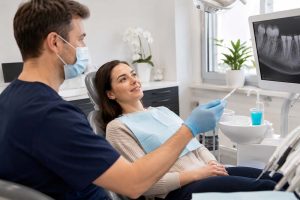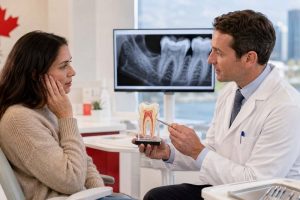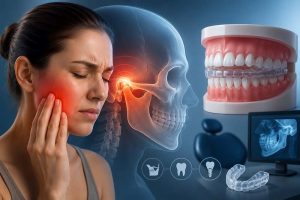

In recent years, Canadians have become more proactive about their oral health. Instead of waiting for dental pain to appear or problems to worsen, more people are toward prevention as the smarter—and more affordable—approach. This shift has led to a major increase in preventive dentistry Canada, a movement that focuses on early detection, routine care, and daily habits that keep teeth and gums strong for life.
Preventive dentistry is not only about avoiding cavities. It is a complete oral health strategy designed to stop problems before they become expensive emergencies. With dental treatments rising in cost and oral health linked to overall well-being, Canadians are starting to understand that regular checkups aren’t just recommended—they’re essential. In this blog, we explore what preventive dentistry means, why it matters more than ever, and how it can save you thousands of dollars throughout your life.
What Is Preventive Dentistry?
Preventive dentistry focuses on maintaining optimal oral health through daily practices, professional care, and consistent monitoring. It involves everything you do to stop dental issues before they start—long before you feel pain or discomfort.
In the world of preventive dentistry Canada, clinics emphasize:
- Routine dental checkups
- Professional cleanings
- Patient education
- Early screenings
- Digital X-rays
- Lifestyle guidance
When combined, these efforts dramatically reduce your chances of needing root canals, crowns, gum surgery, or emergency care later.
The Financial Impact of Regular Checkups
Many people assume dental appointments are expensive, but preventive care is the opposite—it saves money over time. A small cavity costs far less to treat than a tooth requiring a crown or extraction. A scaling appointment is far cheaper than gum surgery. And catching early infections can prevent multi-step treatments that cost thousands.
Preventive dentistry follows a simple principle:
Fixing a small problem early is always cheaper than fixing a big problem later.
This is where preventive dentistry Canada shines, as more clinics prioritize affordable checkups, patient education, and early screenings to minimize long-term costs.
How Early Detection Saves Your Teeth—and Your Wallet
Modern dental tools allow dentists to identify issues before they become serious. This is especially true for early cavity detection, which can prevent months of discomfort and costly treatments.
Dentists now use technologies like:
- Digital X-rays
- Intraoral cameras
- Laser scanning technology
- Diagnostic dyes
These tools identify decay in its earliest stages—sometimes before it appears on the surface. When detected early, cavities can be treated quickly, inexpensively, and with very little drilling.
Without early detection, that same cavity could progress into nerve damage, infection, or tooth loss. The difference in cost between a small filling and a root canal can easily reach thousands of dollars. This is one of the biggest reasons preventive dentistry Canada continues to grow as a preferred dental care model.
Dental Care Habits That Prevent Expensive Problems
Much of preventive dentistry begins at home. Strong dental care habits play a major role in keeping teeth healthy between appointments. Even the best dentist cannot protect your smile if your daily habits are weak.
Here are essential practices every Canadian should follow:
1. Brush Twice Daily
Use fluoride toothpaste and brush for at least two minutes. This reduces plaque buildup and protects enamel.
2. Floss Every Day
Flossing removes bacteria from tight spaces where toothbrushes can’t reach, preventing gum disease and decay between teeth.
3. Use Mouthwash
An antibacterial rinse helps reduce plaque and freshen breath.
4. Limit Sugar Intake
Sugary foods and drinks feed bacteria that cause cavities.
5. Drink More Water
Water washes away food particles and helps maintain saliva levels, which naturally protect your teeth.
6. Replace Your Toothbrush Regularly
Every 3 months—or sooner if the bristles fray.
Good dental care habits combined with professional checkups form the foundation of lifelong oral health.
Why Professional Cleanings Are Essential
Even with excellent brushing and flossing, plaque and tartar still build up over time. Professional cleanings remove these hardened deposits before they cause problems like gingivitis or gum recession.
Routine appointments also allow dentists to monitor changes in your mouth. They can track enamel wear, gum health, teeth movement, and early signs of infection. Regular cleanings are one of the simplest ways to avoid advanced gum disease, which is one of the leading causes of tooth loss in adult Canadians.
Preventive Dentistry and Whole-Body Health
What happens in your mouth affects your entire body. Poor oral health has been linked to:
- Cardiovascular disease
- Diabetes
- Respiratory infections
- Premature birth
- Stroke
- Chronic inflammation
Preventive dentistry does more than protect your teeth—it protects your long-term health.
Dentists frequently identify early signs of systemic conditions during routine checkups. This makes preventive care an important part of maintaining overall well-being, especially as more Canadians seek holistic health solutions.
The Role of Early Cavity Detection in Prevention
As mentioned earlier, early cavity detection is a powerful tool in reducing dental costs. Detecting decay early:
- Prevents nerve damage
- Avoids tooth loss
- Stops infection from spreading
- Preserves natural tooth structure
- Reduces need for crowns or implants
Early intervention is the heart of preventive dentistry Canada, and it’s one of the primary reasons dentists recommend routine checkups every 6 months.
Oral Hygiene Tips You Should Be Following
Beyond the basics, these advanced oral hygiene tips can elevate your dental routine:
Tip 1: Use an Electric Toothbrush
Electric toothbrushes clean more thoroughly and help you brush long enough.
Tip 2: Use a Tongue Scraper
Bacteria on the tongue contribute to bad breath and oral infections.
Tip 3: Chew Sugar-Free Gum
This increases saliva production and helps protect against cavities.
Tip 4: Switch to Fluoride Rinse
Strengthens enamel and offers additional protection for high-risk patients.
Tip 5: Avoid Smoking and Vaping
Both significantly increase the risk of gum disease and oral cancer.
These oral hygiene tips are simple but powerful ways to protect your smile.
Why Preventive Dentistry Is Rising in Popularity
The rise of preventive dentistry Canada is driven by several key factors:
1. Higher Treatment Costs
Patients want to avoid costly procedures and long healing times.
2. Increased Awareness
More Canadians understand the value of early intervention and routine care.
3. Modern Technology
Dentists now have more accurate diagnostic tools to catch problems early.
4. Insurance Benefits
Many insurance plans cover preventive care, making it more accessible.
5. Holistic Health Trends
Canadians want healthcare that focuses on long-term wellness—not short-term fixes.
Preventive dentistry aligns perfectly with these priorities.
Regular Checkups: Your Best Investment
If there is one message to take from this article, it’s this:
Regular checkups prevent bigger problems.
A simple dental visit every six months can:
- Stop cavities early
- Prevent gum disease
- Identify infections before they spread
- Protect enamel
- Save thousands in long-term treatments
Preventive dentistry is not just a trend—it’s a necessary part of modern healthcare. And the sooner you adopt this mindset, the healthier and more affordable your dental future becomes.
FAQ’s
Q1. How often should you visit your dentist for checkups?
A: You should visit the dentist at least every six months for preventive cleanings and exams. Some patients, especially those at higher risk for decay or gum disease, may require more frequent appointments.
Q2. Why is preventive dental care cost-effective?
A: Preventive dental care stops problems early, reducing the need for expensive treatments like root canals, crowns, gum surgery, or implants. Early detection, routine cleanings, and strong daily oral habits significantly reduce long-term costs.