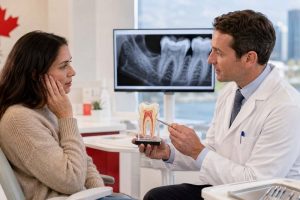

Your smile is one of your most valuable assets, influencing everything from your confidence to your ability to eat comfortably. When teeth become damaged, decayed, or lost entirely, the impact extends beyond aesthetics—it affects your oral health, functionality, and quality of life. Fortunately, modern restorative dentistry offers sophisticated solutions that can rebuild and rejuvenate your smile, returning both form and function to your teeth. Understanding the available options empowers you to make informed decisions about your dental care and take the first step toward reclaiming your confidence.
The Foundation of Restorative Dental Care
Restorative dentistry encompasses a range of treatments designed to repair or replace damaged and missing teeth. Unlike cosmetic dentistry, which primarily focuses on improving appearance, restorative procedures address functional problems while simultaneously enhancing aesthetics. The goal is to restore your mouth to optimal health, allowing you to chew properly, speak clearly, and smile without hesitation.
Damage to teeth can occur for numerous reasons. Decay, trauma, wear from grinding, large fillings that have failed, and genetic factors all contribute to tooth deterioration. When left untreated, these issues can worsen over time, potentially leading to infection, bone loss, and the need for more extensive interventions. Early treatment through restorative dentistry not only preserves your natural tooth structure but also prevents complications that could compromise your overall oral health.
The field has advanced tremendously in recent years, with materials and techniques that produce results that look, feel, and function remarkably like natural teeth. With proper care, modern restorations can last for many years, making them a worthwhile investment in your long-term health and well-being.
Dental Crowns: Comprehensive Tooth Protection
When a tooth is significantly damaged but still has a healthy root structure, dental crowns provide an ideal solution. A crown is essentially a cap that covers the entire visible portion of a tooth above the gum line, restoring its shape, size, strength, and appearance. This versatile treatment addresses various dental problems, from large cavities and cracked teeth to cosmetic imperfections.
The crown procedure typically requires two dental visits. During the first appointment, your dentist prepares the tooth by removing decay and shaping it to accommodate the crown. The dentist takes impressions and sends them to a dental laboratory, where technicians custom-craft your crown from porcelain, ceramic, or a combination of materials. A temporary crown protects your tooth while the lab fabricates the permanent one. At your second visit, the dentist removes the temporary crown and carefully fits and cements the permanent restoration in place.
Modern dental crowns are remarkably durable and natural-looking. Porcelain and ceramic options can be color-matched to blend seamlessly with your surrounding teeth, making them virtually indistinguishable from your natural dentition. With proper oral hygiene and regular dental checkups, crowns can last fifteen years or longer, making them an excellent long-term solution for tooth restoration.
Dental Bridges: Filling the Gaps
Missing teeth create both functional and aesthetic challenges. The gap left behind can cause surrounding teeth to shift, affect your bite, make chewing difficult, and alter your facial structure over time. Dental bridges offer a proven method for replacing one or more consecutive missing teeth, literally bridging the gap in your smile.
A traditional bridge consists of artificial teeth (called pontics) held in place by crowns attached to the natural teeth on either side of the gap. These supporting teeth, known as abutments, are prepared similarly to how they would be for individual crowns. The entire bridge is fabricated as a single piece, creating a permanent restoration that becomes a fixed part of your mouth.
Bridges restore your ability to chew effectively, maintain your facial shape, prevent remaining teeth from drifting out of position, and give you back a complete smile. Like crowns, modern bridges are crafted from high-quality materials that replicate the appearance of natural teeth. With conscientious care, including regular brushing, flossing (especially under the bridge), and professional cleanings, dental bridges can serve you well for a decade or more.
Dental Implants: The Gold Standard for Missing Teeth
For the most comprehensive and permanent solution to tooth loss, dental implants represent the pinnacle of restorative dentistry. Unlike bridges that rely on adjacent teeth for support, implants are standalone replacements that function independently, just like natural teeth.
A dental implant consists of three components: a titanium post surgically placed into the jawbone, an abutment that connects to the post, and a crown that serves as the visible tooth. The titanium post acts as an artificial tooth root, fusing with your jawbone through a process called osseointegration. This integration provides exceptional stability and helps preserve jawbone density, which naturally deteriorates when teeth are missing.
The implant process unfolds over several months. After the surgeon places the post, your body heals for three to six months as the bone fuses with the implant. Once fully integrated, the dentist attaches the abutment and crown, completing your tooth restoration. While this timeline requires patience, the results are worth the wait—implants can last a lifetime with proper care and have success rates exceeding 95 percent.
Implants offer numerous advantages over other replacement options. They don’t require altering adjacent teeth, they prevent bone loss, they’re easier to clean than bridges, and they provide the most natural feel when chewing and speaking. For patients missing multiple teeth or even all teeth, implants can also support bridges or dentures, providing stable, comfortable solutions.
Taking the Next Step Toward Restoration
Whatever your dental concerns, restorative dentistry provides effective solutions tailored to your specific needs. Consultation with a qualified dentist is the first step toward determining which treatment approach is right for you. Modern restorative techniques can transform damaged or incomplete smiles into healthy, beautiful ones that you’ll be proud to show off.
Frequently Asked Questions
Q1. What is restorative dentistry?
A: Restorative dentistry includes treatments that repair or replace damaged and missing teeth, restoring both function and appearance. Common procedures include crowns, bridges, implants, fillings, and dentures designed to improve oral health and quality of life.
Q2. How long do dental crowns and bridges last?
A: Dental crowns typically last fifteen to twenty years, while bridges generally last ten to fifteen years. Lifespan depends on oral hygiene practices, regular dental visits, dietary habits, and whether you grind your teeth or have other risk factors.
Q3. When is a dental implant necessary for tooth restoration?
A: Dental implants are ideal when you’ve lost a tooth and want the most permanent, natural-feeling replacement that preserves the jawbone. Dentists recommend them when you have sufficient bone density and good overall health to support the surgical procedure and healing process.