
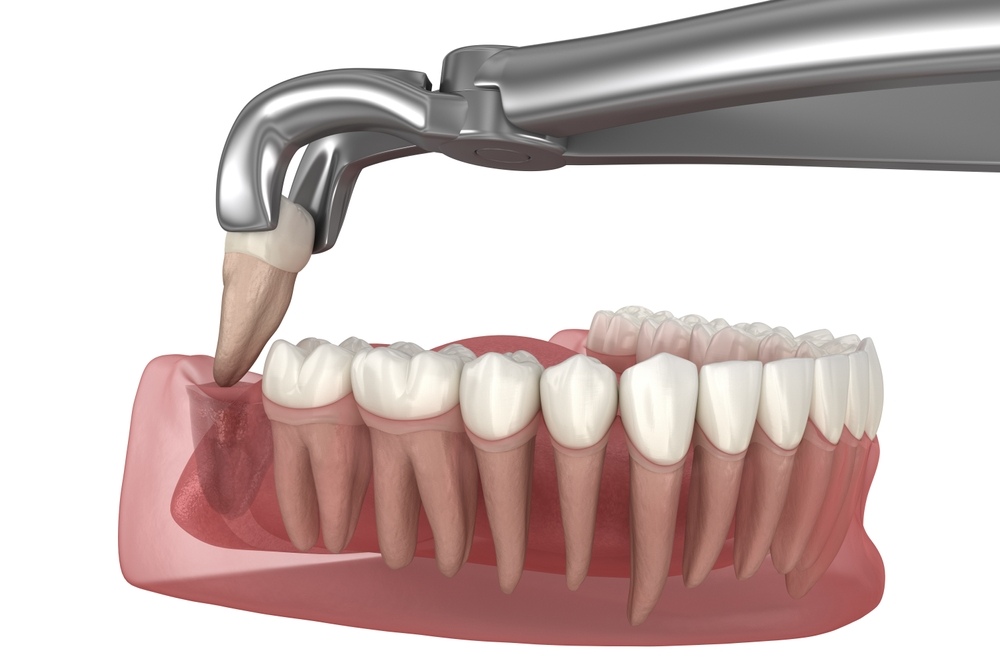
Nowadays, wisdom tooth extractions treatment is a common dental procedure. But keep in mind that not all extractions are the same. The complexity and implications of wisdom tooth extractions may vary significantly from those of regular wisdom teeth removal. Therefore, it is essential to understand these differences. It is crucial for both dental professionals and patients. Also, this guide delves into the nuances between wisdom teeth extractions and regular extractions and defines their indications, procedures, recovery, and potential complications.
Understanding Tooth Extractions
Tooth extraction is the removal of a tooth from its socket in the bone. Wisdom tooth extractions treatment are required for a variety of reasons, including severe deterioration, infection, overcrowding, and trauma. While ordinary extractions can involve any tooth in the mouth, wisdom tooth extractions are specifically for the removal of the third molars, which usually appear in late adolescence or early adulthood.
Indications for Extractions
Regular Extractions
There are a few reasons which entail the significance of regular extraction:
- Severe Tooth Decay
This is required when a tooth is extensively decayed and cannot be saved with a filling or crown.
- Gum Disease
Advanced periodontal disease can deteriorate the supporting tissues and bone. Hence, it is leading to tooth extraction.
- Trauma
This is needed when teeth are fractured beyond repair due to injury.
- Infection
It also becomes essential that an infected tooth that does not respond to root canal treatment needs extraction.
Extraction Of Wisdom Teeth
Wisdom teeth, or third molars, often require extraction for the following reasons:
- Impaction
Wisdom teeth may completely decay due to a lack of space and failure to erupt properly.
- Crowding
Wisdom tooth eruption can lead to crowding and misalignment of neighbouring teeth.
- Infection and Inflammation
Partially erupted wisdom teeth can cause pericoronitis, an inflammation of the surrounding gum tissue.
- Decay and Gum Disease
Wisdom teeth are harder to clean, which makes them more prone to decay and gum disease.
Procedure Differences
This section sheds light on the most important procedure for tooth extraction and extraction of wisdom teeth.
Regular Extractions
A glimpse of the teeth extraction procedure the following:
- Anesthesia
Local anesthesia is necessary to numb the area around the tooth.
- Loosening the Tooth
With the help of an elevator, the dentist can loosen the tooth from its socket.
- Removing the Tooth
Forceps are required to extract the tooth. But once it is loosened.
- Post-Extraction Care
The socket is cleansed, and gauze is applied to halt bleeding.
Extraction of Wisdom Tooth
Extraction of wisdom teeth is the most complex, particularly for impacted teeth. The procedure may involve the following steps:
- Anesthesia
The dentist employs local, sedative, or general anesthesia, depending on the situation.
- Incision
Depending on the situation, local, sedative, or general anesthesia is necessary
- Tooth Sectioning
In this step, The tooth may be divided into sections for easier removal.
- Extraction
During extraction, the dentist divides the tooth into pieces or removes it whole.
- Stitching
The incisions are necessary to break up to promote healing.
Recovery Process
Regular Extractions Treatment
Recovery from regular extractions often takes less time:
- Pain Management
Over-the-counter pain medications are usually sufficient.
- Swelling
Ice packs can help manage minimal swelling.
- Follow-Up
Dentists recommend that patients avoid particular meals and practice proper dental hygiene.
Wisdom Teeth Removal
Recovery from extraction of wisdom tooth can be more involved:
- Pain Management
Prescription pain relief becomes necessary.
- Swelling and Bruising
Significant swelling and bruising are the most common symptoms. And it can last several days.
- Follow-Up Care
Dietary restrictions, physical strain avoidance, and oral hygiene maintenance are all part of detailed post-operative care. Also, follow-up visits needs to monitor healing and remove stitches as needed.
Conclusion
In conclusion, it is essential to understand the differences between wisdom tooth extractions and regular extractions. It is crucial for both dental professionals and patients. While both procedures are aimed at removing problematic teeth and improving oral health, the complexity, recovery, and potential complications of wisdom teeth removal are generally greater. However, with the help of proper patient education, thorough pre-operative planning, and meticulous post-operative care are key factors in ensuring successful outcomes. However, wisdom teeth extraction canada provides valuable extraction services to its customers. And helps to minimize risks. In this stage, dental professionals can help you prepare better. And it also helps support your patients through the extraction process. Hence, it leads to improved satisfaction and oral health outcomes.