
Most people think of dental visits as something to schedule only when pain strikes or a problem becomes obvious. However, this reactive approach often leads to more extensive treatments, higher costs, and unnecessary discomfort. The truth is that maintaining excellent oral health requires consistent attention long before issues become visible or painful. Preventative Dentistry focuses on addressing potential problems early, helping you avoid extensive treatments. By the time you notice symptoms like tooth sensitivity, persistent bad breath, or visible decay, damage has already progressed significantly. This is precisely why shifting to a proactive mindset about dental care can transform not just your smile, but your overall health and quality of life for decades to come.
Understanding the Power of Prevention
Preventative dentistry encompasses all the practices, treatments, and habits designed to maintain healthy teeth and gums while stopping problems before they start. This includes routine professional cleanings, comprehensive examinations, fluoride treatments, dental sealants, patient education about proper home care, and screenings for conditions like oral cancer and gum disease. Rather than waiting for cavities, infections, or other issues to develop and then responding with fillings, root canals, or extractions, prevention focuses on maintaining optimal oral health continuously.
The philosophy behind this approach is straightforward: it’s far easier, less painful, and more cost-effective to prevent dental problems than to treat them after they’ve developed. A cavity caught in its earliest stages might require only monitoring or a minimal filling, while one that’s ignored could eventually necessitate a root canal and crown—or even tooth loss. Similarly, gum disease detected early can often be reversed with improved hygiene and professional cleaning, but advanced periodontitis may require surgery and can lead to permanent bone loss and tooth mobility.
Beyond the immediate dental benefits, preventative dentistry plays a crucial role in protecting your systemic health. Research has established clear connections between oral health and conditions like heart disease, diabetes, respiratory infections, and pregnancy complications. Bacteria from untreated gum disease can enter the bloodstream and contribute to inflammation throughout the body, potentially affecting major organs. By maintaining excellent oral health through preventive care, you’re simultaneously supporting your overall physical wellbeing.
The Critical Role of Regular Dental Exams
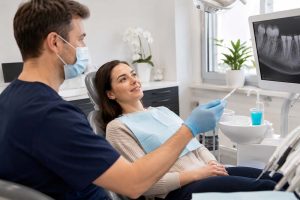
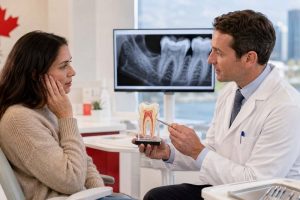
Routine dental exams form the foundation of any effective prevention strategy. During these appointments, dentists and hygienists can identify potential problems in their earliest stages, often before you experience any symptoms whatsoever. These examinations go far beyond simply looking for cavities—they include comprehensive assessments of your gums, bite alignment, jaw joints, soft tissues, and even screenings for oral cancer.
The importance of early detection cannot be overstated. Many serious dental conditions develop gradually and painlessly in their initial stages. Gum disease, for instance, often begins with subtle inflammation that you might not even notice but that a trained professional can identify immediately. Small areas of demineralization on tooth enamel—precursors to cavities—can be spotted and addressed before they progress to actual decay requiring drilling and filling. Abnormal tissue changes that could indicate oral cancer can be caught when treatment outcomes are most favorable.
Professional cleanings that accompany dental exams remove tartar buildup that cannot be eliminated through home brushing and flossing alone. This hardened plaque harbors bacteria that contribute to both tooth decay and gum disease. Even people with excellent home hygiene habits develop some tartar accumulation over time, making professional removal essential for maintaining optimal oral health. These cleanings also provide opportunities for dental professionals to reinforce proper brushing and flossing techniques, ensuring you’re maximizing the effectiveness of your daily routine.
Long-Term Health Benefits Beyond Your Mouth
The benefits of preventative dentistry extend far beyond having an attractive smile and comfortable chewing function, though these are certainly valuable outcomes. Maintaining healthy teeth and gums throughout your life preserves your natural tooth structure, allowing you to continue enjoying a diverse, nutritious diet well into your senior years. People who lose teeth often struggle to consume adequate protein, fiber, and essential nutrients because they can no longer properly chew many healthy foods.
Preventive care also protects you from the systemic inflammation associated with chronic dental infections. The link between periodontal disease and cardiovascular problems is particularly well-established, with studies showing that people with gum disease face higher risks of heart attack and stroke. The inflammatory response triggered by oral bacteria appears to contribute to arterial plaque formation and other cardiovascular issues. For people with diabetes, the relationship is bidirectional—diabetes increases susceptibility to gum disease, while untreated gum infections make blood sugar control more difficult.
The psychological and social benefits shouldn’t be overlooked either. Confidence in your smile affects how you present yourself professionally and socially. Dental pain and visible problems can diminish quality of life significantly, affecting everything from sleep quality to the ability to concentrate at work. Preventing these issues through consistent care allows you to live without the burden of chronic dental concerns.
Financial Wisdom of Prevention
From a purely economic perspective, preventative dentistry represents one of the smartest investments you can make in your health. The cost of two annual checkups with cleanings is a fraction of what you’d pay for restorative procedures like crowns, bridges, implants, or periodontal surgery. Insurance companies recognize this reality, which is why most dental plans cover preventive services at 100 percent while requiring substantial copayments for treatment procedures.
Consider that a routine cleaning and exam might cost a few hundred dollars, while a root canal and crown can easily reach several thousand. An implant to replace a lost tooth can cost even more. Multiply these figures across multiple teeth over a lifetime, and the savings from consistent prevention become substantial. Beyond direct treatment costs, there are also indirect expenses to consider—time away from work for extensive dental appointments, temporary discomfort affecting productivity, and potential complications that require additional interventions.
Building a Prevention-Focused Routine
Embracing preventative dentistry requires commitment to both professional care and excellent home hygiene. This means scheduling dental exams at recommended intervals—typically every six months for most people, though those with higher risk factors may need more frequent visits. It means brushing twice daily with fluoride toothpaste, flossing at least once daily, and potentially incorporating additional tools like antimicrobial rinses or interdental brushes based on your dentist’s recommendations.
It also means being honest with your dental team about your habits, concerns, and any changes you’ve noticed in your mouth. Early detection depends partly on your ability to communicate subtle symptoms that might seem insignificant but could indicate developing problems. Building a long-term relationship with a dental practice ensures continuity of care and allows professionals to track changes over time more effectively.
The evidence is clear: preventative dentistry isn’t optional if you want to maintain optimal health throughout your life. By prioritizing prevention today, you’re investing in decades of comfortable function, confident smiling, and better overall health.
Frequently Asked Questions
Q1. What is preventative dentistry?
A: Preventative dentistry includes professional services and personal habits designed to maintain healthy teeth and gums while preventing problems before they develop. This encompasses routine cleanings, comprehensive exams, fluoride treatments, sealants, oral cancer screenings, and education about proper home care techniques.
Q2. How often should you visit the dentist for a check-up?
A: Most people should visit the dentist every six months for routine check-ups and cleanings. However, those with higher risk factors such as gum disease, diabetes, smoking habits, or weakened immune systems may need more frequent visits—typically every three to four months.
Q3. Why is early detection important in dentistry?
A: Early detection allows treatment of dental problems when they’re minor, less painful, and less expensive to address. Many serious conditions like gum disease and oral cancer develop gradually without obvious symptoms, making professional screenings essential for catching issues before they cause permanent damage or health complications.