Maintaining healthy teeth goes beyond regular brushing and flossing. For patients with gum disease or excessive plaque buildup, a standard dental cleaning may not be enough. This is where scaling and root planing come into play. Often referred to as a “deep cleaning,” this procedure targets the roots of teeth and the gum line to remove bacteria, plaque, and tartar that cannot be reached with routine dental care. Understanding what happens during gum cleaning or periodontal cleaning helps patients prepare for the procedure and maintain long-term oral health.
What Is Scaling and Root Planing?
Scaling and root planing is a non-surgical procedure performed by dentists or dental hygienists to treat gum disease and prevent tooth loss. Scaling involves removing plaque and tartar from the tooth surface and below the gum line. Root planing smooths the tooth roots to help the gums reattach and reduce the risk of further bacterial buildup.
This type of deep cleaning of teeth goes beyond a regular dental cleaning by addressing the areas that brushing and flossing alone cannot reach. It is particularly recommended for patients showing signs of periodontal disease, such as swollen or bleeding gums, receding gum lines, or pockets between teeth and gums.
Why Deep Cleaning Teeth Is Important
Gum disease, also known as periodontitis, can progress silently. Without treatment, bacteria and plaque accumulation below the gum line can lead to gum recession, bone loss, and ultimately tooth loss. Gum cleaning through scaling and root planing removes these harmful deposits, promoting gum healing and preventing further complications.
Patients who undergo periodontal cleaning often experience reduced gum inflammation, decreased bleeding, and improved oral hygiene. This deep cleaning not only protects teeth but also contributes to overall health, as studies have shown links between gum disease and systemic conditions like diabetes and heart disease.
The Procedure: What to Expect
Scaling and root planing typically occur over one or more appointments, depending on the severity of gum disease. During the procedure:
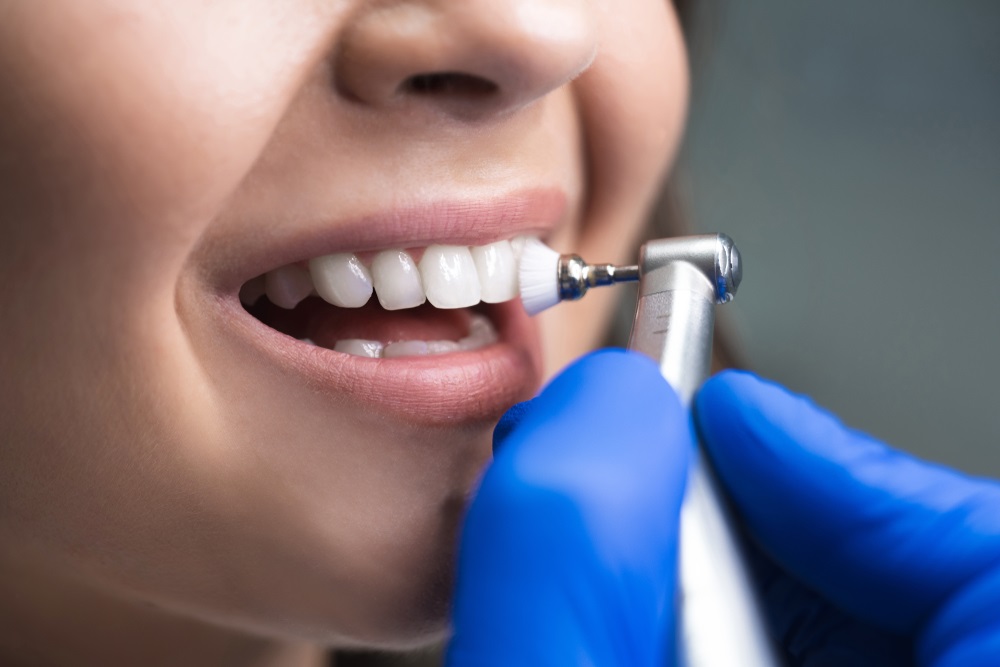
- The dentist or hygienist uses specialized tools to remove plaque and tartar from above and below the gum line.
- Tooth roots are smoothed to remove rough areas where bacteria can accumulate.
- Local anesthesia may be used to minimize discomfort during treatment.
Unlike a regular cleaning, which focuses only on the visible surfaces of teeth, deep cleaning targets the periodontal pockets where bacteria thrive. The process may take 45 minutes to an hour per quadrant of the mouth, ensuring a thorough treatment.
Is Scaling and Root Planing Painful?
Many patients worry about discomfort during scaling and root planing. While some sensitivity or mild pain is normal, local anesthesia or numbing gels often make the procedure manageable. After the cleaning, gums may feel tender or slightly swollen for a few days, similar to post-exercise soreness. Over-the-counter pain relievers and saltwater rinses can help alleviate discomfort.
Benefits of Gum and Periodontal Cleaning
Undergoing gum cleaning provides several key benefits:
- Reduces Gum Inflammation: Removing tartar and bacteria helps gums heal and reduces swelling and bleeding.
- Prevents Tooth Loss: Early intervention through periodontal cleaning strengthens gums and prevents bone damage.
- Improves Oral Hygiene: Deep cleaning teeth makes routine brushing and flossing more effective by eliminating stubborn bacteria.
- Enhances Overall Health: Healthy gums can reduce the risk of systemic inflammation and related conditions.
By investing in scaling and root planing, patients can enjoy a healthier mouth and a reduced likelihood of requiring more invasive treatments in the future.
Aftercare Following Deep Cleaning of Teeth
Proper aftercare is crucial for the success of scaling and root planing. Dentists typically recommend:
- Gentle brushing and flossing to prevent irritation of the treated areas.
- Using antiseptic mouthwash or prescribed rinses to reduce bacteria.
- Avoiding hard or sticky foods that could irritate gums.
- Attending follow-up appointments to monitor healing and assess the need for further cleaning.
Maintaining good oral hygiene at home and scheduling regular dental checkups are essential for long-term gum health.
Conclusion
Scaling and root planing is a vital procedure for patients with gum disease or significant plaque buildup. By removing bacteria and smoothing tooth roots, deep cleaning teeth promotes healing, prevents tooth loss, and supports overall oral health. Understanding the benefits of gum cleaning and periodontal cleaning helps patients approach the procedure with confidence and encourages proper aftercare. With the guidance of a dental professional, scaling and root planing can be a highly effective step toward a healthier, stronger smile.
Frequently Asked Questions
Q1. Is scaling and root planing painful?
A: Mild discomfort is normal, but local anesthesia and numbing gels minimize pain. Post-procedure tenderness may last a few days but is manageable with over-the-counter pain relievers.
Q2. How long does deep cleaning take?
A: Each session of deep cleaning teeth typically lasts 45–60 minutes per quadrant. Multiple appointments may be needed depending on the severity of gum disease.
Q3. What should I do after deep cleaning?
A: Patients should practice gentle brushing and flossing, use prescribed mouth rinses, avoid irritating foods, and attend follow-up appointments to ensure proper healing and gum health.