Root canal treatment is a common dental procedure that helps preserve your natural teeth and prevent the need for tooth extraction. While many people fear the thought of a root canal, it is a highly effective treatment that can save your tooth and restore its function. In this article, we will explore how root canal treatment works, its benefits, and how it prevents tooth extraction, helping you maintain your natural smile for years to come.
What is Root Canal Treatment?
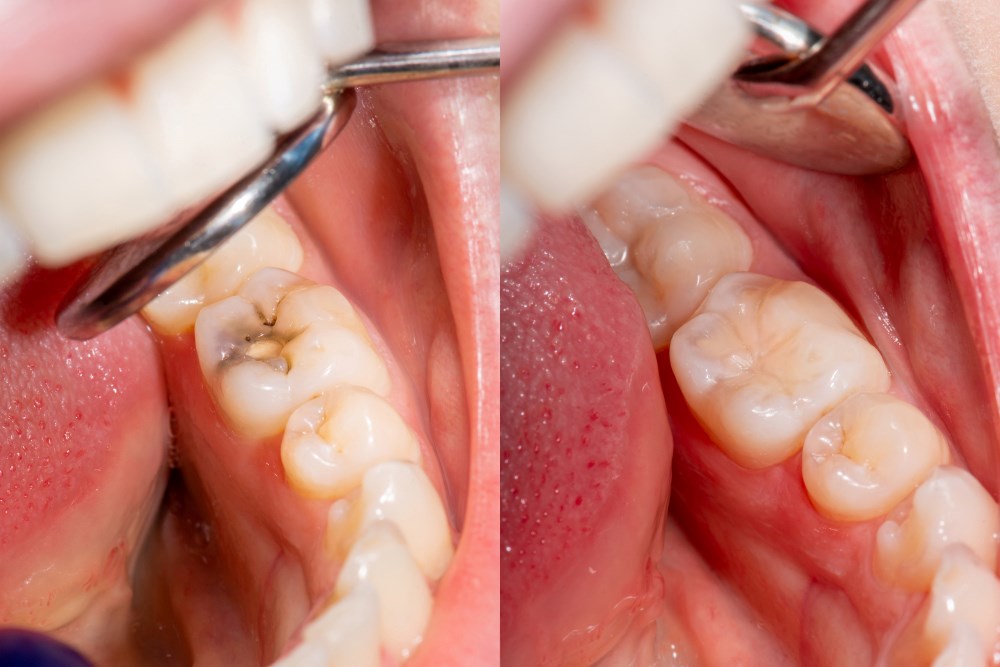
Root canal treatment, also known as endodontic therapy, is a procedure designed to treat infection or damage to the pulp (the soft tissue inside your tooth). When the pulp becomes infected due to deep decay, trauma, or other issues, a root canal is performed to remove the damaged tissue and seal the tooth. This treatment helps prevent further infection and allows you to keep your natural tooth, avoiding the need for a tooth extraction.
The procedure typically involves cleaning out the infected pulp, disinfecting the area, and filling it with a special material to seal it. Once the root canal is completed, a crown or filling is often placed on the tooth to restore its structure and function. Root canal treatment is highly successful and can last for many years, preserving the tooth and avoiding the need for more invasive treatments like tooth extraction.
How Root Canal Treatment Prevents Tooth Extraction
One of the primary goals of root canal treatment is to prevent the need for a tooth extraction. When left untreated, an infected tooth can lead to more severe issues, such as abscesses, bone loss, and the complete destruction of the tooth. By removing the infection and sealing the tooth, a root canal effectively saves the tooth and allows it to function as normal.
If you don’t get a root canal when necessary, the infection can spread, leading to severe pain, swelling, and potential damage to surrounding teeth and tissues. In such cases, extraction may become the only option. By seeking treatment early, you can avoid this scenario and keep your natural tooth intact.
Benefits of Preserving Natural Teeth with Root Canal Treatment
Avoids Tooth Extraction
The most obvious benefit of root canal treatment is that it prevents tooth extraction. By preserving your natural teeth, you can maintain the function and aesthetics of your smile without the need for dental implants or bridges, which are typically required after tooth extraction.
Maintains Chewing Function
Losing a tooth can impact your ability to chew and speak properly. Root canal treatment helps preserve the tooth’s function, allowing you to continue eating a wide variety of foods without discomfort. Preserving natural teeth is essential for maintaining proper alignment and bite function.
Prevents Further Complications
When a tooth is infected, it can cause pain, swelling, and damage to surrounding teeth and gums. A root canal eliminates the infection and prevents it from spreading, reducing the risk of further complications such as abscesses or bone loss. This treatment helps protect the overall health of your mouth and keeps your other teeth safe.
Long-Lasting Results
Root canal treatment has a high success rate, and when performed by a skilled dentist, it can provide long-lasting results. After a root canal, your tooth can function for many years, provided it is properly cared for. In many cases, the tooth will last a lifetime, giving you peace of mind that you’ve preserved your natural tooth.
When to Consider Root Canal Treatment
Root canal treatment is typically recommended when the tooth’s pulp becomes infected or damaged. Common signs that you may need a root canal include:
- Severe tooth pain, especially when chewing or applying pressure
- Persistent sensitivity to hot or cold temperatures
- Swelling or tenderness in the gums around the affected tooth
- Discoloration of the tooth (often turning darker)
- A pimple or abscess on the gums near the affected tooth
If you experience any of these symptoms, it’s essential to consult with your dentist as soon as possible. Early intervention can help preserve your tooth and prevent the need for extraction.
FAQ’s
Q1. Can a root canal save a tooth from extraction?
A: Yes, a root canal can save a tooth from extraction by removing the infected pulp and sealing the tooth, preventing further damage and allowing the tooth to remain in place.
Q2. What happens if you don’t get a root canal?
A: If you don’t get a root canal, the infection can spread, causing severe pain, swelling, and potential damage to surrounding teeth and tissues. In some cases, tooth extraction may become necessary.
Q3. How long do root canals last?
A: Root canals can last for many years, often a lifetime, as long as the tooth is properly cared for. After the procedure, your dentist may place a crown on the tooth to ensure its longevity and function.